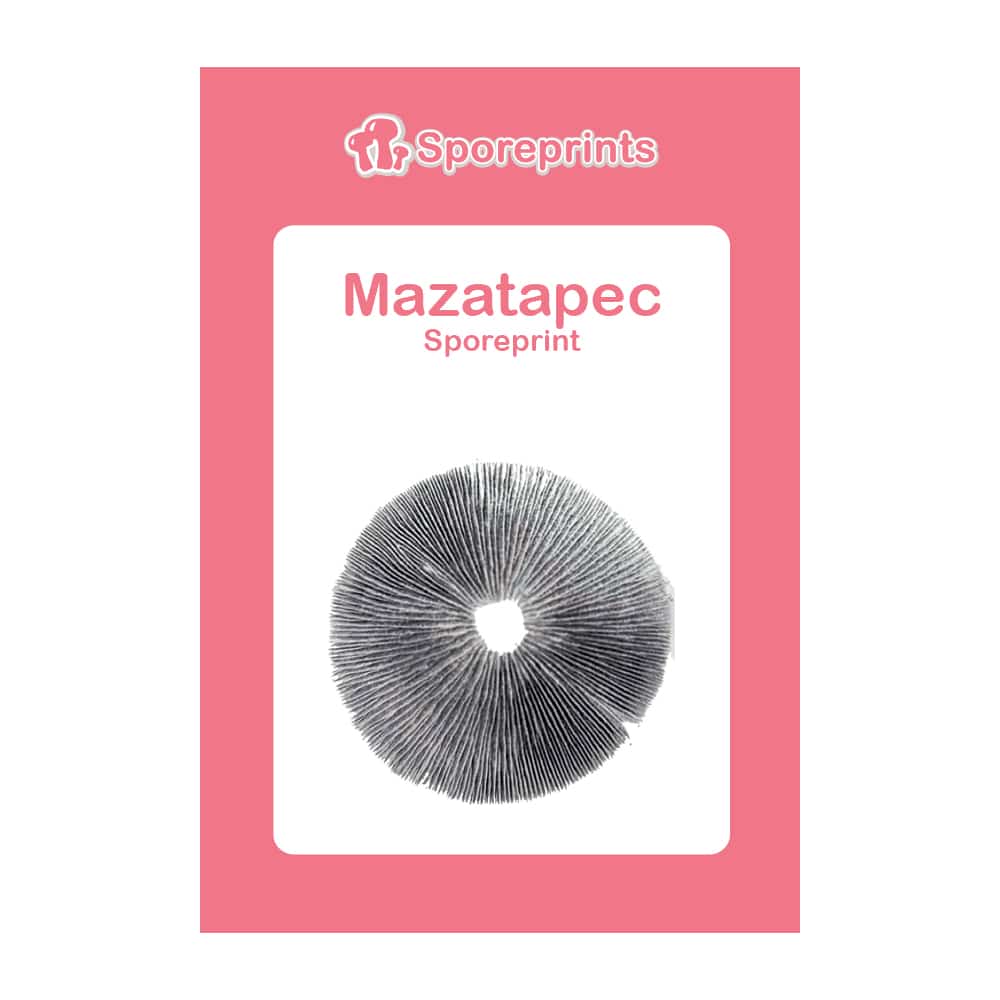
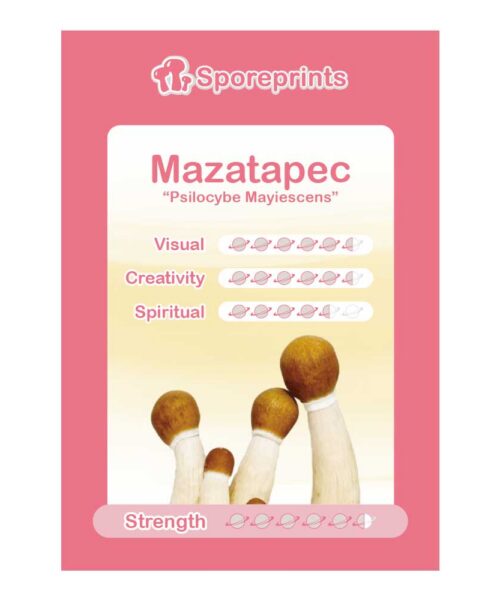
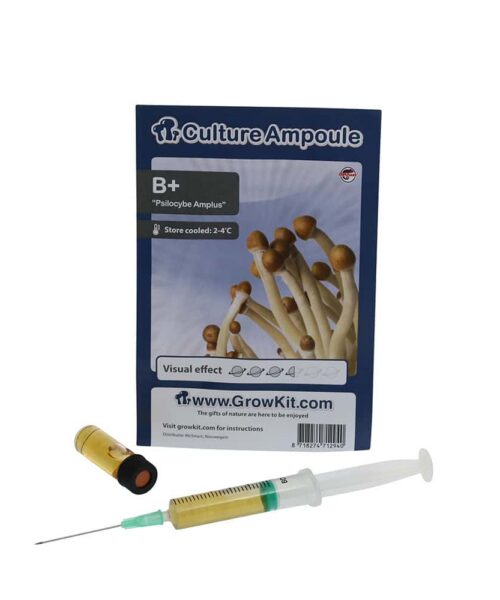
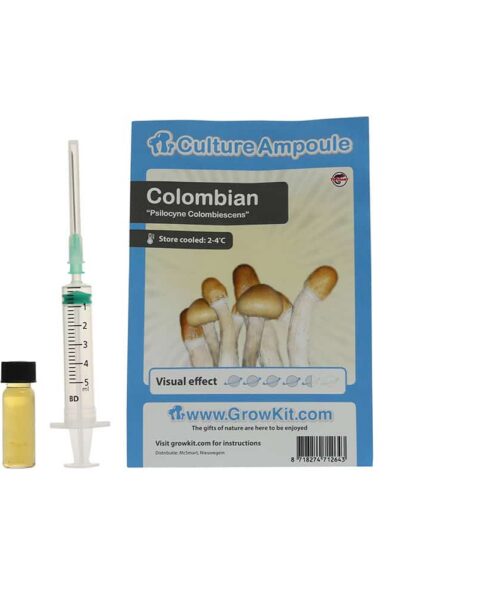
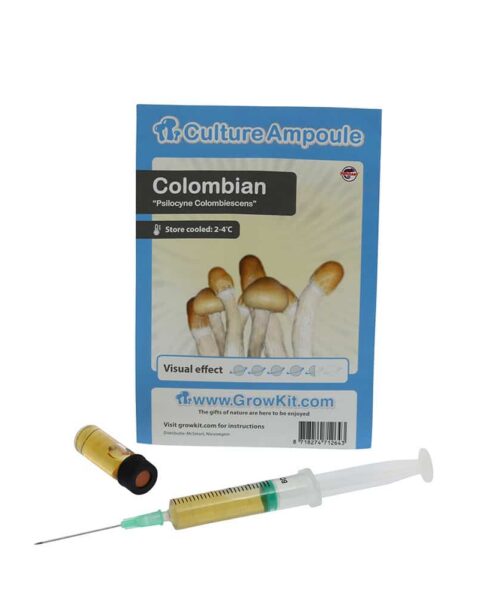
What are Mazatapec Shoeprints?
Mazatapec sporesprints offer a fascinating gateway to the world of magic mushroom cultivation. These sporesprints contain the genetic basis of Mazatapec mushrooms, a species known for its unique characteristics and historical significance in indigenous rituals. A sporeprint is a collection of spores carefully deposited on a sterile surface, allowing enthusiasts to grow and study these remarkable fungi.
Sporeprints are not only a tool for cultivating mushrooms—they also provide deeper insight into the natural processes behind the development of fungi. With Mazatapec Sporeprints, you can explore the intricate patterns of nature and delve into the mysteries of mycology. They are ideal for those passionate about nature, science, or the psychedelic arts.
The History of Mazatapec Mushrooms
The origin of Mazatapec mushrooms lies with the Mazatec people of Mexico, who used these fungi in sacred ceremonies. The name “Mazatapec” honors this cultural heritage and reflects the identity of the Mazatec people, along with the unique properties of the mushrooms. For centuries, these mushrooms have played an essential role in spiritual practices, helping people achieve heightened states of consciousness.
In modern times, the rediscovery of Mazatapec mushrooms has revived interest in their study and cultivation. Trace prints allow enthusiasts to connect with this rich history, preserve the heritage of these extraordinary fungi, and at the same time explore their scientific and cultural significance.
How to Use Mazatapec Sporeprints
Step 1: Prepare the Petri dish
Start with a sterile Petri dish filled with agar, a nutrient-rich growth medium. You can prepare the agar yourself or buy it ready-made. Make sure to treat the dish in a sterile environment to prevent contamination.
Step 2: Add the Tracks
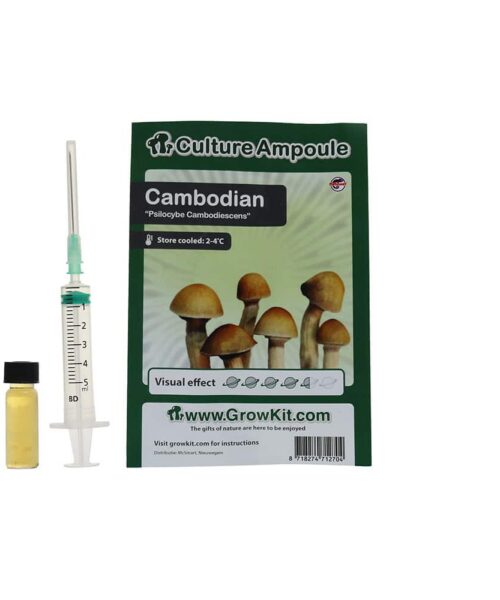
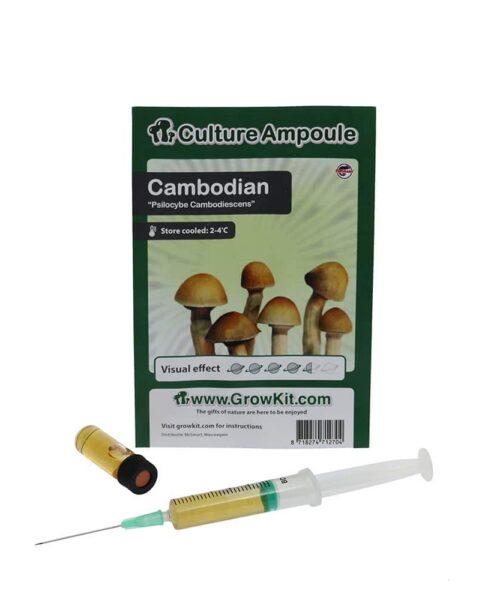
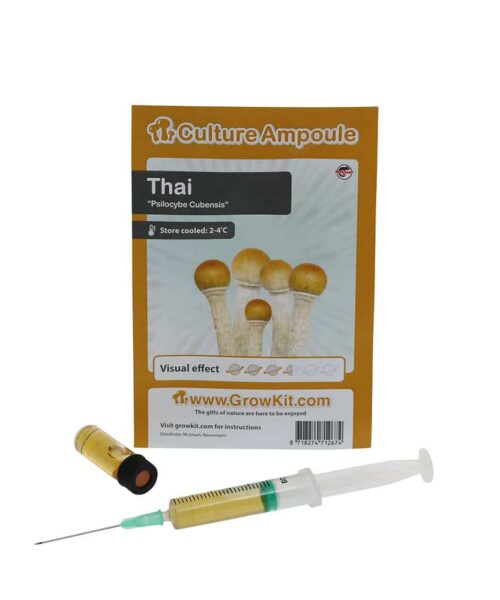
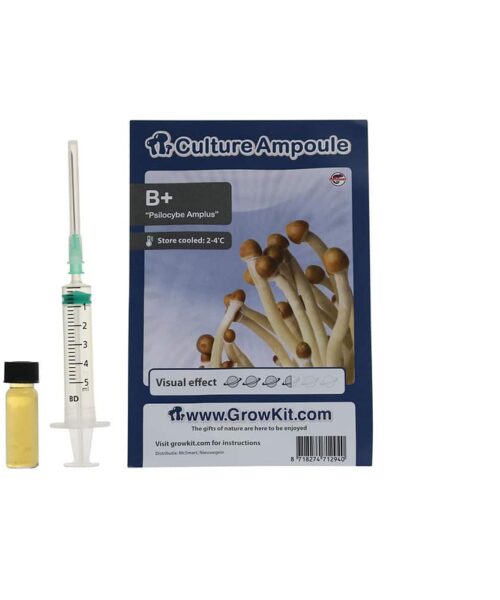
If you are using spore fluid, use a sterile syringe to draw it up. If you are working with a spore print, carefully scrape spores from the print and apply them to the agar surface.
Step 3: Incubate the spores
Seal the Petri dish and place it in a controlled environment where the spores can develop into mycelium. The incubation time varies from a few days to weeks, depending on the environmental conditions and the type of fungus.
Step 4: Clean the Mycelium
As soon as the mycelium covers a large part of the agar surface, select a healthy piece for further cultivation.
Step 5: Move the Mycelium
Use a sterile scalpel to cut off a small piece of mycelium (about 6 x 6 mm). This piece will serve as a starter for a new, clean culture.
Step 6: Inoculate a New Growth Medium
Move the cut mycelium to a new medium, such as another petri dish with agar or another suitable substrate. Make sure to treat all the materials under sterile conditions to ensure success.
Growing Mazatapec mushrooms requires patience and precision, but the process offers valuable insights into the fascinating world of fungi. Each step provides a deeper understanding of mycology and the life cycle of mushrooms.
The Parts of Mazatapec Sporeprints
Each Mazatapec spore print contains millions of spores, carefully collected and stored on a sterile surface to preserve their purity. These spores contain the genetic material necessary for the cultivation of Mazatapec mushrooms.
Microscopic in size, the spores serve as the foundation for developing a robust mycelium network—a crucial step in successful mushroom cultivation. With the right care and treatment, Mazatapec Sporeprints provide the perfect starting point to explore the fascinating life cycle of fungi.
Warning
Mazatapec mushrooms contain psilocybin and psilocin, psychoactive substances known to induce altered states of consciousness, including hallucinations. Always treat and consume these substances responsibly. Keep them out of the reach of children and store them in a safe location.
 8.9/10 Customer review